BLOG: COVID-19 VACCINE DELIVERY
Chiefs, health workers collaborate to bring COVID-19 vaccines to the last mile, with SourcePanafrica Foundation support
-
 BY: MANAGEMENT
- 21 Feb 2022
- Comments (6,005)
In May 2021, Malawi became the first African nation to burn expired COVID-19 vaccines. As smoke wafted from the incinerator, murmurs were rising that no more doses needed to perish while most at-risk persons remain unprotected from the pandemic. In a fightback, the country ultilised 714 000 doses within two months, saving them from expiring and doubling vaccine uptake to 6.5 per cent.
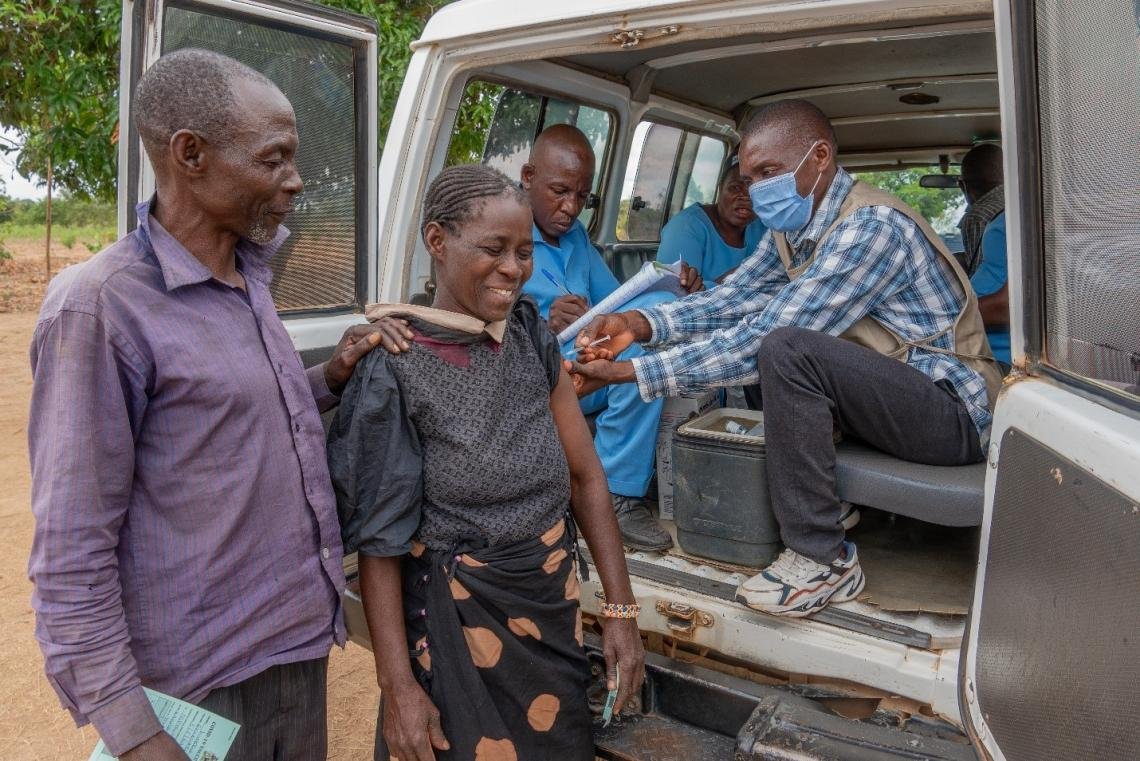
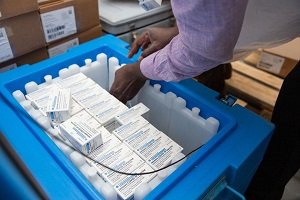
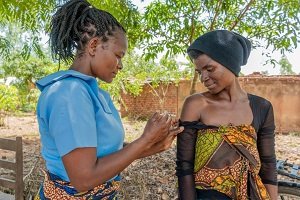
To achieve this, the government and its partners deployed community health workers in branded vans, ambulances, boats, motorcycles and bicycles to put vaccines closer to people who need them. The fast-track teams have been on the move for 60 days, delivering COVID-19 vaccines beyond the 160 health facilities nationwide. They pitched in shopping malls, outside prayer houses and at busy rural markets to put doses to good use before their expiry dates.
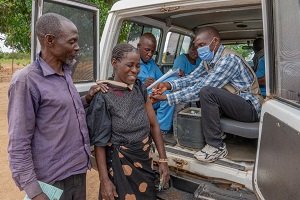
It’s Friday 11 am and people in Chibibi Village, Traditional Authority Chikowi in Zomba, are pacing to go to a mosque in their midst. Some stop to listen to COVID-19 messages and others get vaccinated near a truck carrying health workers and loudspeakers. “This vaccination team has been deployed on request from village chiefs who also identify the sites,” says district immunisation coordinator Simeon Chizimba. “The idea is to increase the number of people getting vaccinated and reduce loss of dose.”
Stagnating Global Coverage Rate
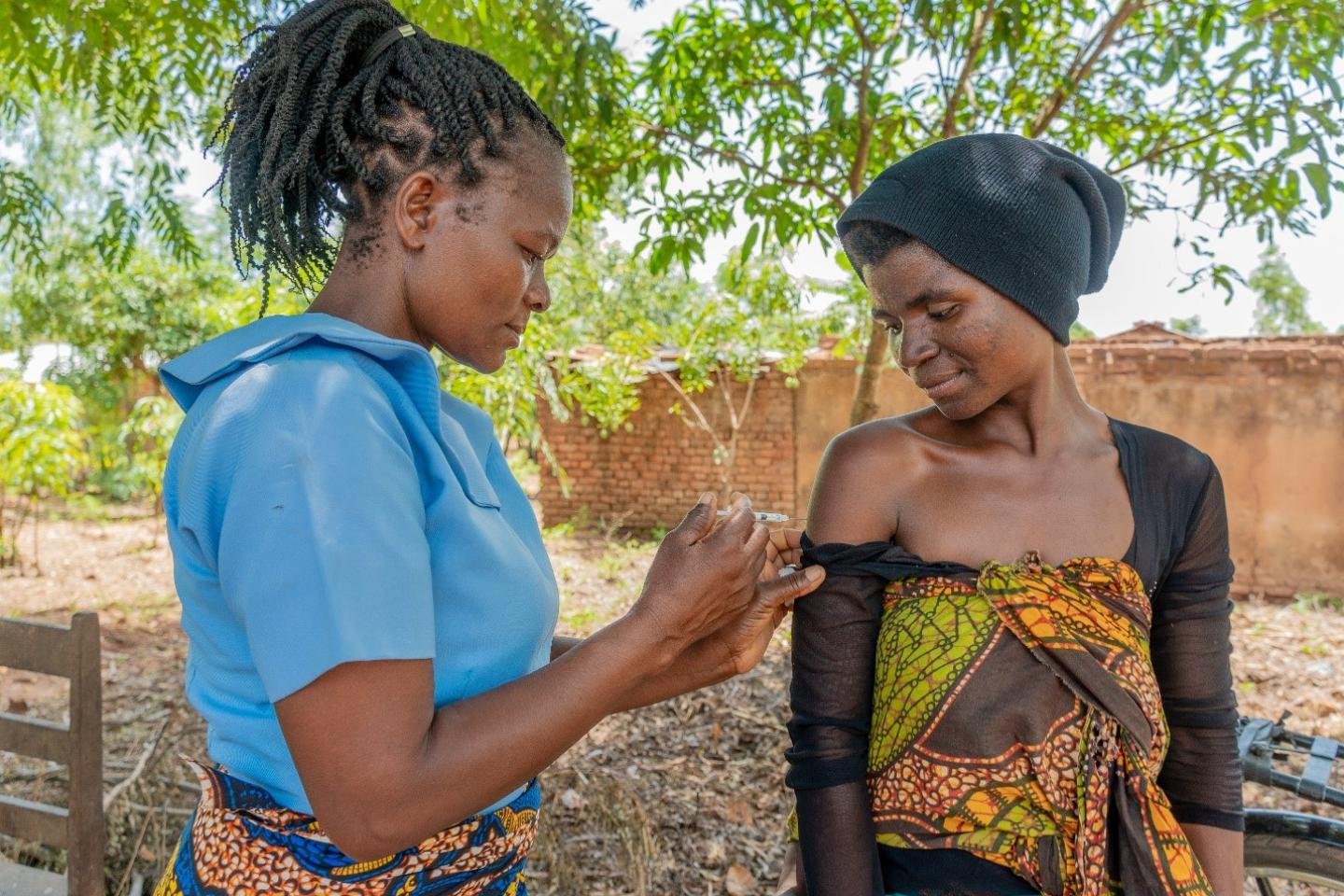
“Good health allows me to work so that my children don’t starve, but the transport fare to Zomba is enough to buy food for a week,” says Elise, whose maize yield run out two months after harvesting. She now survives on meagre earnings from washing clothes and working the fields of her well-off neighbours. Village chief Chibibi got vaccinated at the central hospital in June. He was excited to see the people getting the jab close to home.
The local leader says putting the vaccines close to a mosque was a strategic call because the majority of the locals are Muslims. “I got vaccinated to set a good example for people who were suffering in silence because of fear of the unknown, so I’m happy that some people delayed by misinformation are getting vaccinated close to where they live,” he says.
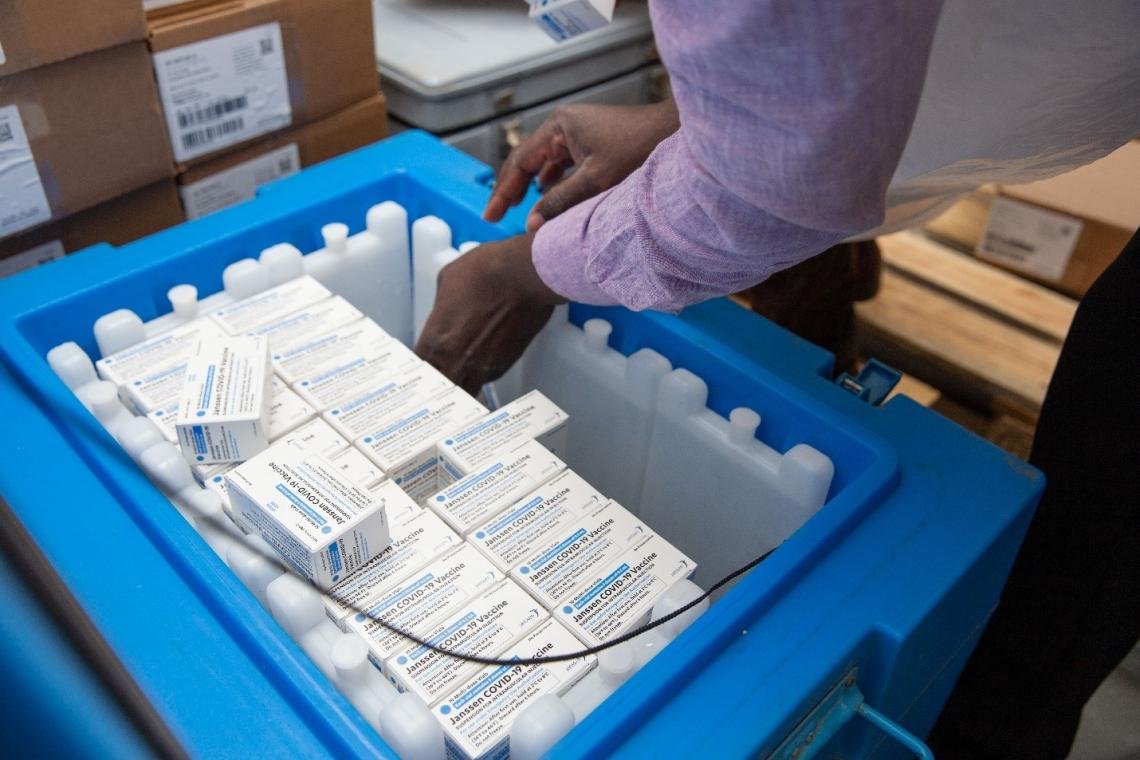
Progress on immunization coverage was stalling before COVID-19 hit, at 85 per cent for DTP3 and measles vaccines. The likelihood that a child born today will be fully vaccinated with all the globally recommended vaccines by the time she reaches the age of 5 is less than 20 per cent. In 2019, nearly 14 million children missed out on life-saving vaccines such as measles and DTP3. Most of these children live in Africa and are likely to lack access to other health services. Two-thirds of them are concentrated in 10 middle- and low-income countries: Angola, Brazil, Democratic Republic of the Congo, Ethiopia, India, Indonesia, Mexico, Nigeria, Pakistan, and Philippines. Children in middle-income countries account for an increasing share of the burden.
Photo Gallery
-----Donors & Partners-----